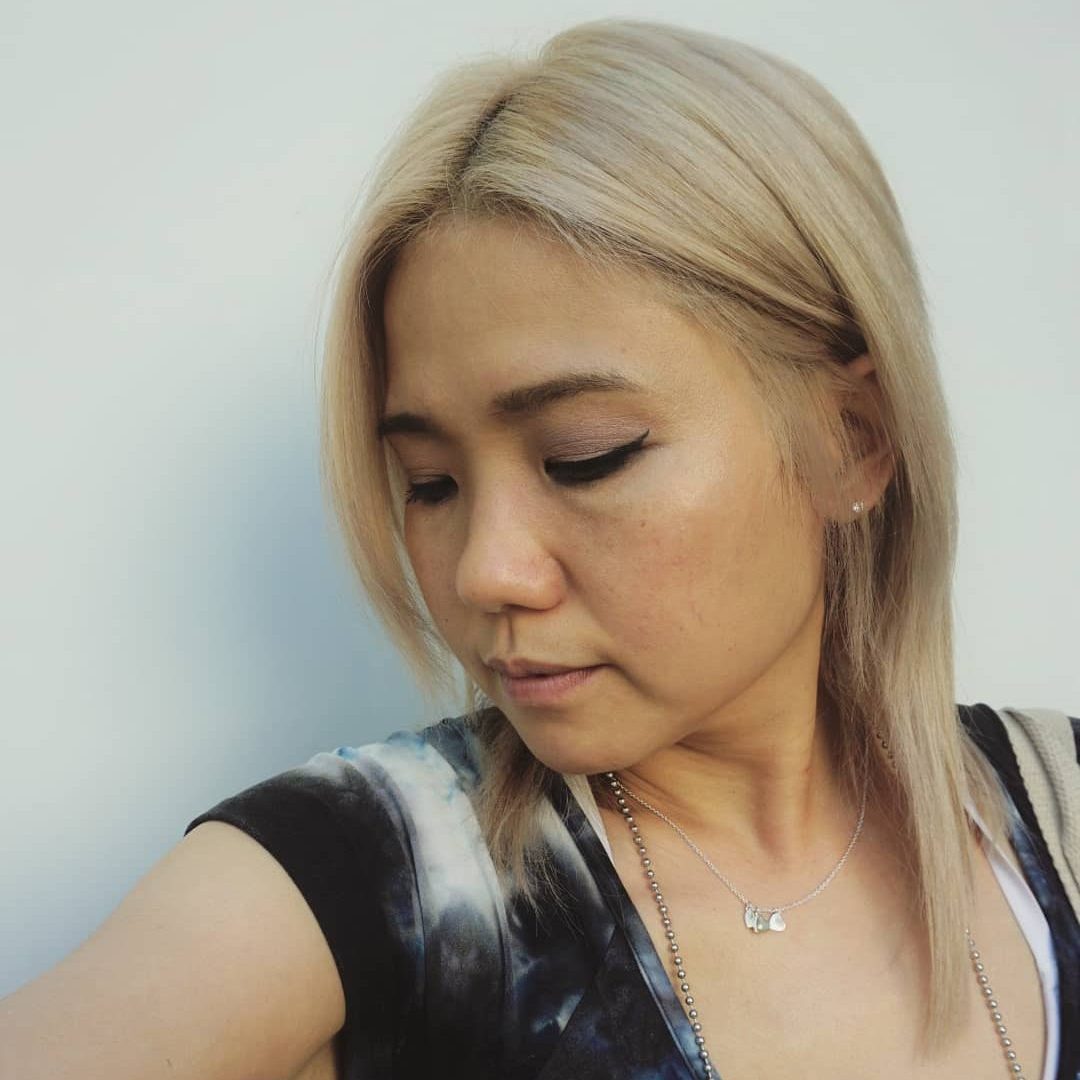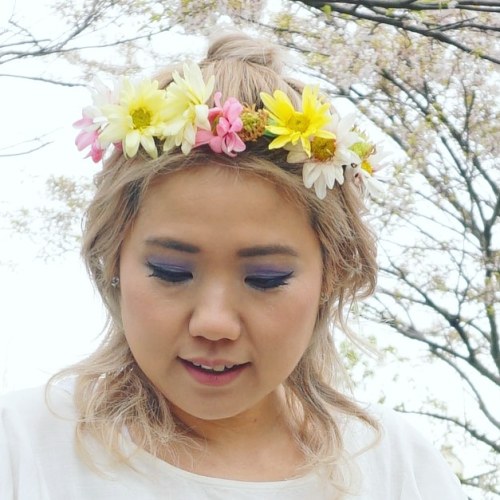
Are there rules to Make Up after 40?

I have passed by countless articles and videos on social media over the past few years about how wearing and applying make-up is different for aging faces. And I never paid much attention to them, always skimming the feeds and skipping the links. The main reason is that I have just looked very youthful for most of my adulthood and did not feel the tips applied to me. My vanity and confidence in my youthful appearance would not let me entertain the idea that I maybe needed these tips…it’s not for me, I always told myself. But here I am, thinking more about it more recently. I now do see fine lines appearing, and places on my face that are a bit saggy. So what are these make up tips/rules now that I can see changes? I want to write down some of my own tips that I believe are ageless good practice, fand have nothing to do with being “over 40”.

Truth is, I don’t believe age should affect make-up application, colours or techniques, that’s too broad of a generalization. I think that changes in make up application is more personal and should be tailored. As a society that is pushing more forward with gender inclusivity, political and social awareness, the place that I feel is still left behind is the stigma with aging female bodies. Society assumes certain things about someone of a certain age. Older women especially seem to get pigeon holed into categories that are age biased and unpleasant, A “hag”, a “cougar”, “grandma”, “milf”, “pre-menopausal”…etc. Even the well meaning “mature” lady is kind of well, sucky. As one ages, skin texture does change, but instead of calling it aging skin or “over 40 skin”, it should be recognized as just a change in texture.

My Makeup Tips for Skin with fine lines and less plumpness:

  • Moisture is everything: Fine lines are actually accentuated by dry skin. Be sure to hydrate internally (drink lots of water) but also externally. Antioxidants like vitamin E oil does double duty, it hydrates and increases the suppleness of skin on an outer level. It also promotes healing from sun damage or pollution in the air.
  • Sunscreen should be in the makeup or under the makeup. Science doesn’t lie. UV rays in the sun does cause aging of the skin, dryness and fine lines.
  • Be careful with cosmetic powders. I love a pretty eye shadow colour, and setting powders to make make up last. But powders also absorb moisture and is drying in that sense. I now opt for cream eye shadows, and cream blush. And only use a light dusting of face powder over my foundation. We want a bit of shine and glow as we age, since powdery and cakey make the skin look like it is dry and wrinkly.
  • Exfoliate often: cell turn over rate slows down over the years. Help out the face by using gentle exfoliants to keep skin soft and diffuse any fine lines that may want to show up on dead skin. I like to use a lactic acid exfoliator. Super gentle.
  • Metallic shimmer is pretty, but it’s light reflecting ablity can settle into fine lines and highlight what is not smooth. Choose makeup colours that are matte or pearlescent. Much more flattering.
  • No harsh lines: eyeliner should be super soft and blended, with the exception of liquid liner to get a bold cat eye line. Otherwise, pencil liners should be diffused with a blending tool for softness. Add to the softness by opting for a charcoal grey pencil colour instead of jet black!
Mimimal powder and cream blush and cream eyeshadow. Blended eyeliner. It makes all the difference I feel these days to flatter my changing skin.

These are my tips for the small changes I see in my skin and how make-up might be adapted to better suit me. But everyone is different! I have talked to people whose faces actually get oilier as they get older and in that sense would have a different set of tips for make up. At the end of the day, just stay beautiful and take the best care of oneself possible. Be thoughtful and willing to change routines and rituals.
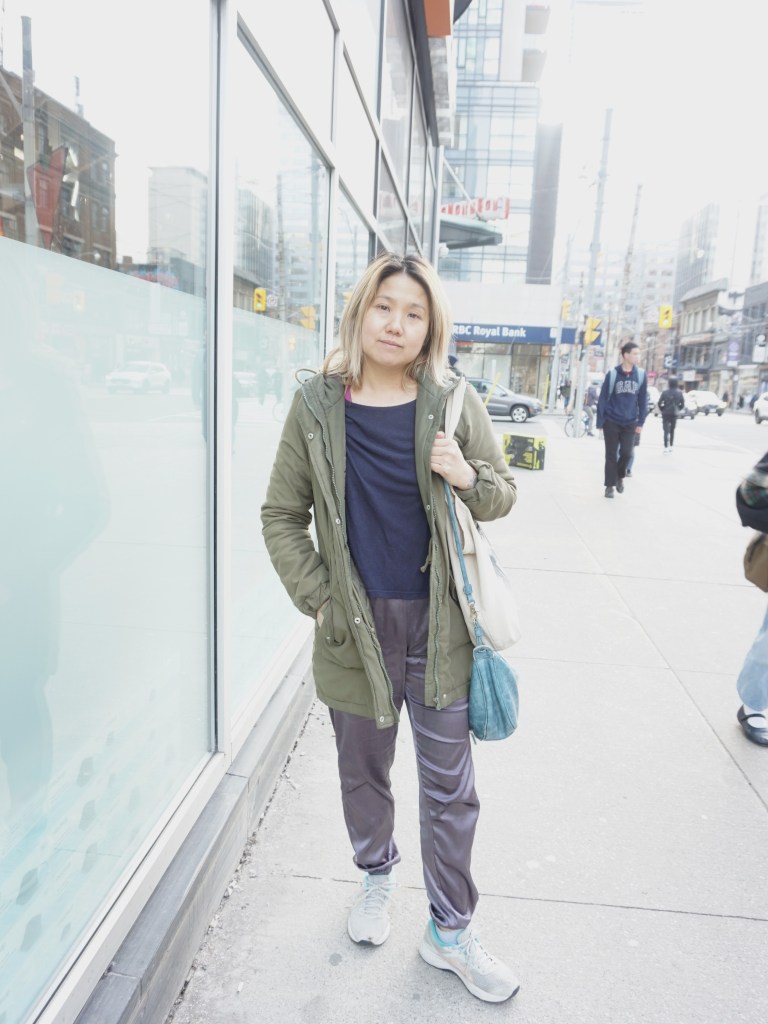
How I try to look like an off duty model…

I grew up in the 90’s where the now familiar term “super model” was coined. The fashion model was not only an unattainable example of female physical beauty, but it was also a lifestyle that was coveted by many teenagers in my days. Travel, fashion, culture and a way for young women to make good money was the image the modeling world was trying to show off. We all know later on, that the truth of the industry was far from glamourous; a lot of exploitation, eating disorders and mental health horrors bestowed onto young women that were just barely finished childhood. The pressures of the beauty and fashion world combined to crush the souls of the small percentage of girls that fit the super thin, super tall, and not ethnic look and standard of the runway model.

The trauma of the model culture backlash has since subsided, I feel. Or it could be later in my life as a more experienced woman, I just don’t have the ability to see it as much. But I still remember the fairy tale glamour the modeling industry used to supply me. After two decades of being a mom and living in the biggest city in Canada, traveling and being creative, I feel cultured, educated and worldly. I didn’t have to be a model to get that achievement. As much as the dreams of being a model did charm me in the past, in a way I am glad I never did it. We can find everyday ways to channel our inner diva, our inner model.

One of the fascinating ideas and life styles that I want to adopt from fashion models is the look of when they have days off. Not on the runway. Where once glamourous modelled looks are only suggested by the bare bones look of effortless “cool”. Models on their off days I learned, often have to audition for jobs in what is called “go-sees”. That’s when models often are dressed very basically, very simply…and run around the city to go visit big designers to interview for jobs. In a way, models have to look like a blank canvas, fresh faced, and ready to represent/sell any campaign. They have a daily look that is still polished, but so pure. I like to achieve this look in various ways:

  • Don’t wear make-up. A made up face is a finished, polished product. I like to show my raw potential. So I don’t cover up with any make-up. Just show off a nicely hydrated face. Sunscreen is always flattering because it has a naturally dewy look
  • Have clean, un-styled hair. The reason for this is hair is also a form of expression. So having the hair natural shows texture, colour and potential for different ways of styling. It shows an ability for a range of looks. And that’s exciting.
  • Clothes for go sees are very basic. Tank top and jeans, a white fitted tee, jean skirts. They show off the silhouette of the body without speaking too loudly and distracting from the shapes and forms that already exist. They are casual, carefree clothing. Not sloppy, but not dressy.
  • I try to channel a youthful spirit with my “off duty model” look. I try to show off some humanity, some quirkiness. That’s because I believe even the most beautiful models in the world, are truly very ordinary people. Those that have the right to execute this mundanity in the purest, most effortless way. Daily life in the city as a common person can be very exotic if viewed by top model!
So this is me. My everyday look. Unpolished effortless cool. Would I be hired at a “go-see”? Maybe? haha

Choosing to go blonde, why or why not?

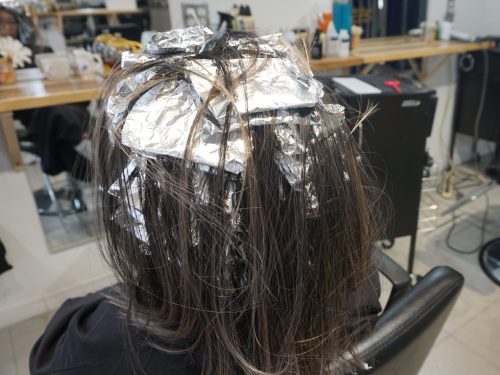
One of the many blonding services that I provide at the Queen Shop Hair Salon in West Toronto. Getting hair lighter is my thing!

There are so many hair colours out there in the world, but as a hairstylist, I know what the most common natural hair colours out there are. Most people are naturally dark haired….black or brown. A small percentage of the population is red haired, and dirty blonde…but even fewer are are the light blonde. So let’s talk about the idea of being “blonde”. What does that mean and what does that entail?

Blonde hair in western culture has been the conventional beauty standard for decades, mostly for females. While dark hair has it’s beauty moments, such as it’s mainstream normalcy in Asian culture, or in alternative goth emo sub culture; in general though, very light hair has been most unquestionably desirable. Which goes to explain why highlights and balayage are my bread and butter service. But I digress. What does being “blonde” exude? I’d say it’s a feeling of freedom, passion, carefreeness, poise, softness and uber femininity that other hair colours are not as readily associated with; it’s not to say that dark hair doesn’t convey beauty,. But it’s a more cerebral beauty. It’s more mysterious and fleeting. In terms blatant obvious beauty, blonde hair does it in one go.

Famous Blondes:

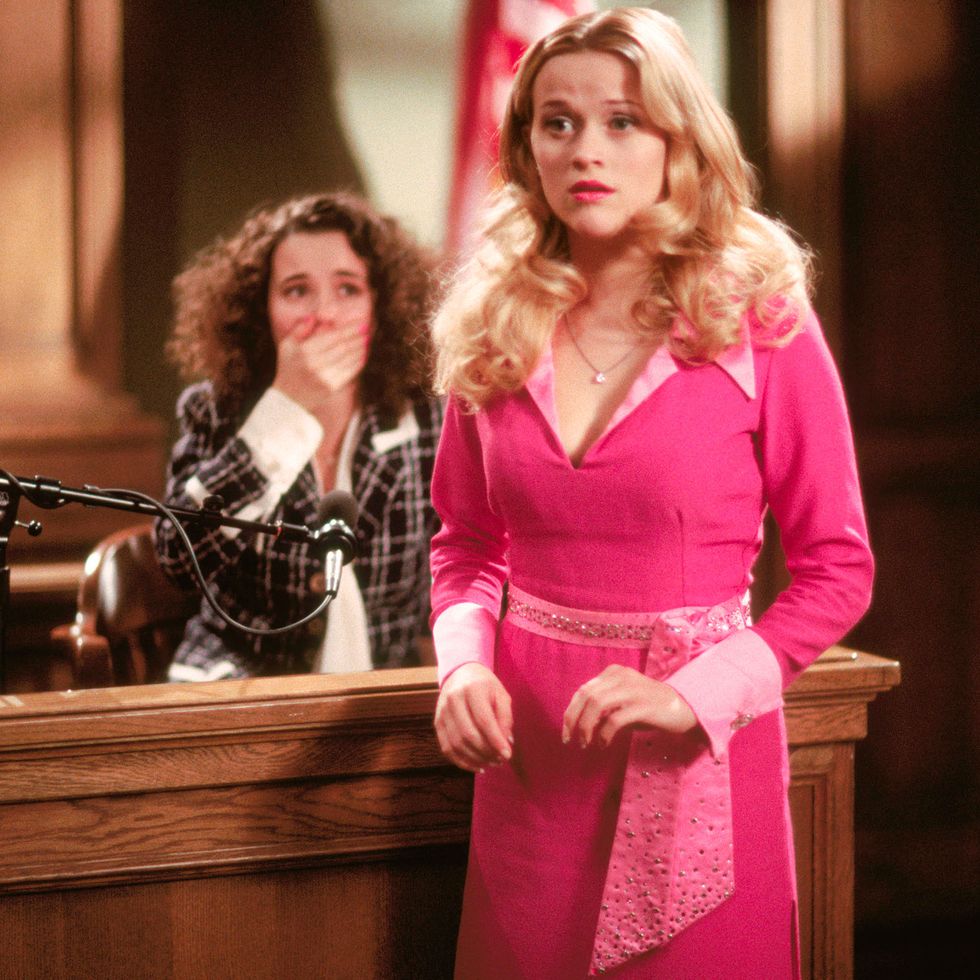
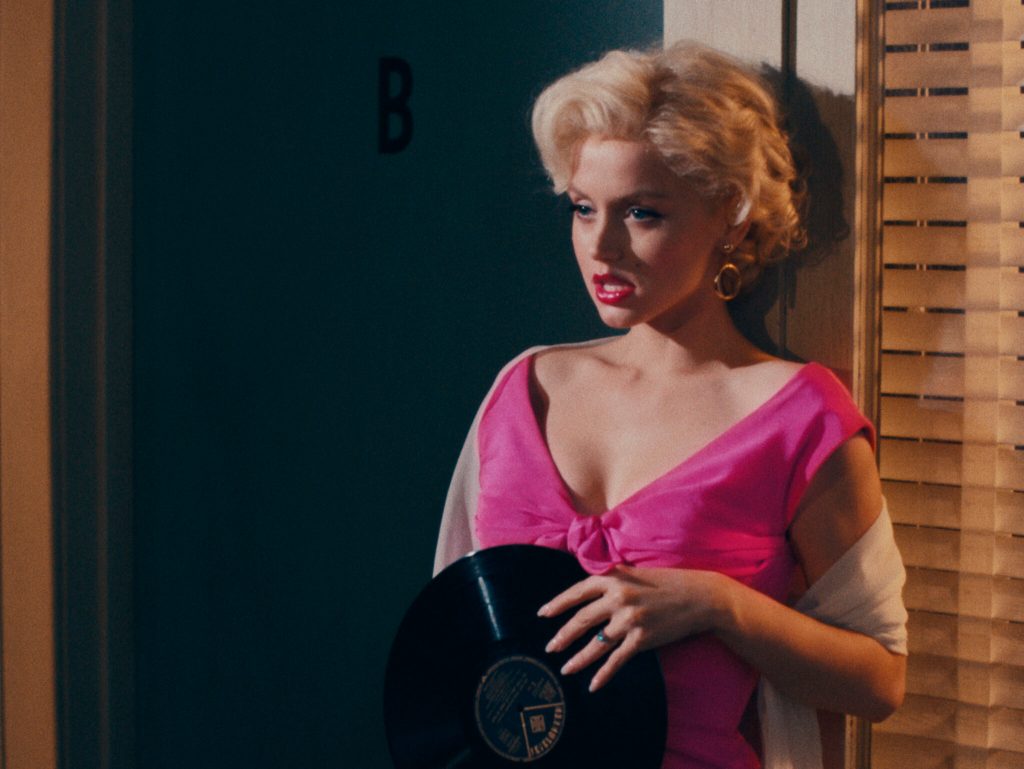
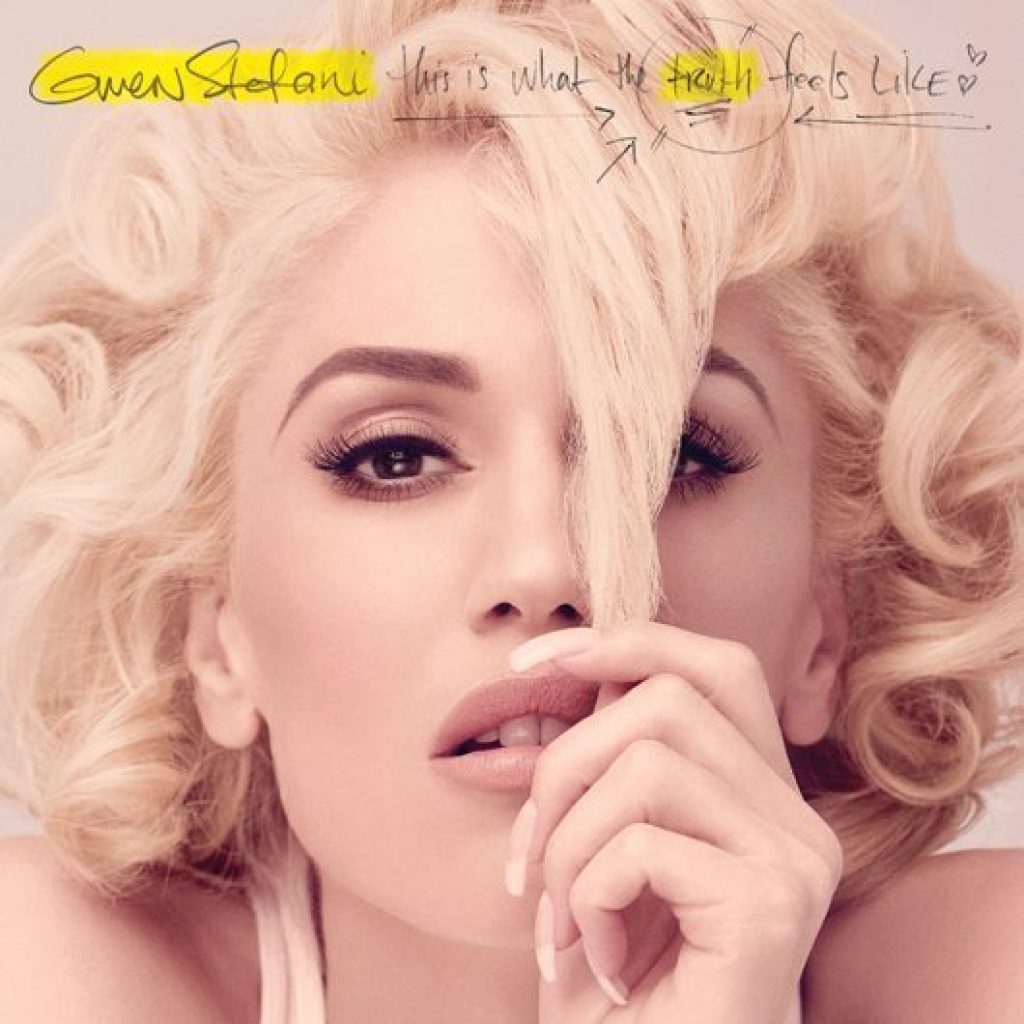
Elle Woods from “legally Blonde” is a prime example in how her appearance changed the way people treated her. Elle had to fight to be taken seriously in law school, to been seen as “smart”. She had a depth of knowledge in the area of fashion and make-up, but it was not deemed as a strength that was worthy of respect. Marilyn Monroe, an icon of blondeness was mostly revered for her sex appeal, and countless interpretations of her life story shows how she had been, in a way, a victim of her fame. Having started out as a pin up model, Marilyn was often overly sexualized. Madonna, Gwen Stefani…represent the other side of blonde beauty. They took to it as a way to express and embody ambition. They are strong and determined and have a voice, a direction. They were artists.

Image from Legally Blonde, 20th Century Fox, 2001.
This image released by Netflix shows Ana de Armas as Marilyn Monroe in “Blonde.” (Netflix via AP)
“I’m just as girl” a song lyric made famous by the Singer of No Doubt, Gwen Stefani.

Things to consider before going blonde

  1. Different hair gets different degrees of damage when going blonde. Very fine hair breaks easily when lightened, and dark coarse hair can also break easily because of the amount of lightning strength needed to lift it so many levels. It’s important to proceed with caution.
  2. Blonde hair requires more maintenance to keep it looking good. But ironically, once hair has been lightened, any additional chemical services on it also makes hair risk breakage. Lightened hair needs more moisture as it’s lost some of it’s ability to retain it. And it needs time to recover from being lightened.
  3. Going blonde as a way to cover grey hair is one of the best reasons in my opinion to go blonde. Instead of monthly visits to the salon, blonde foils make the greys look like highlights, or at least less noticeable. And the visits to the salon for colour can be stretched to 4 to 6 months.
  4. Going blonde just for “fun” is not fun, in my opinion. Because of the commitment needed to upkeep it and the potential damage it causes to healthy hair, it’s just not worth it for a temporary kick from having a change of colour. It’s also expensive and time consuming to do, and not everyone looks better with lighter hair.
  5. There is the danger of blonde addiction. After a while of being blonde, the colour sometimes looks dull for some reason and there is an urge to add more highlights, to keep going blonder. It happens because we get used to being blonde and don’t see how light we actually are. And the down side of that can be an over processed and unbalanced platinum mess. So beware of that!

What are the joys and pitfalls of any hair colour? I’m sure its all very personal to each of us. And as long as we wear the colour we feel the most “us” in, nothing can go wrong. But let’s be nice to our hair, even if we are not planning to grow it past our shoulders, hair should always be encouraged to let it do it’s own thing.

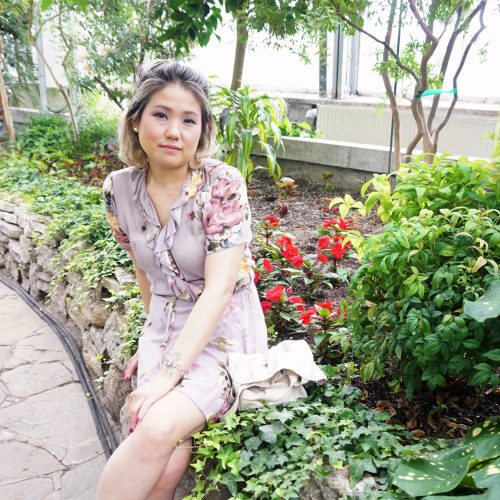
Different blonde “me’s” I always have fun being blonde and will keep this colour for a while. It suits me, no?