Yes! There is more work in Haircare for Coloured Hair…

I’ve been wanting to talk about how often I have heard this reason people use for not coloring their hair: It’s often because in the past the hair colour (especially lightening) had “wrecked” their hair health and it didn’t look good the subsequent weeks after the process….and I have only one thing to say to that. That’s not really a reason not to colour! Lightening and colouring hair doesn’t have to be inherently damaging. Coloured hair does however require more work, time and cost to maintain it’s health afterwards. It’s the sentiment that anything that’s worth having takes WORK. It’s like how committing to a more streamlined body may require more hours at the gym, wherein the goal for exercise is no longer about health–it’s about achieving or maintaining a look. It’s about being willing to put in extra effort to get the look we want! As a hairdresser I know about the high cost of maintenance so I agree that for some, it’s sometimes not worth it. But for that practical reason, it’s a “different song and dance”.

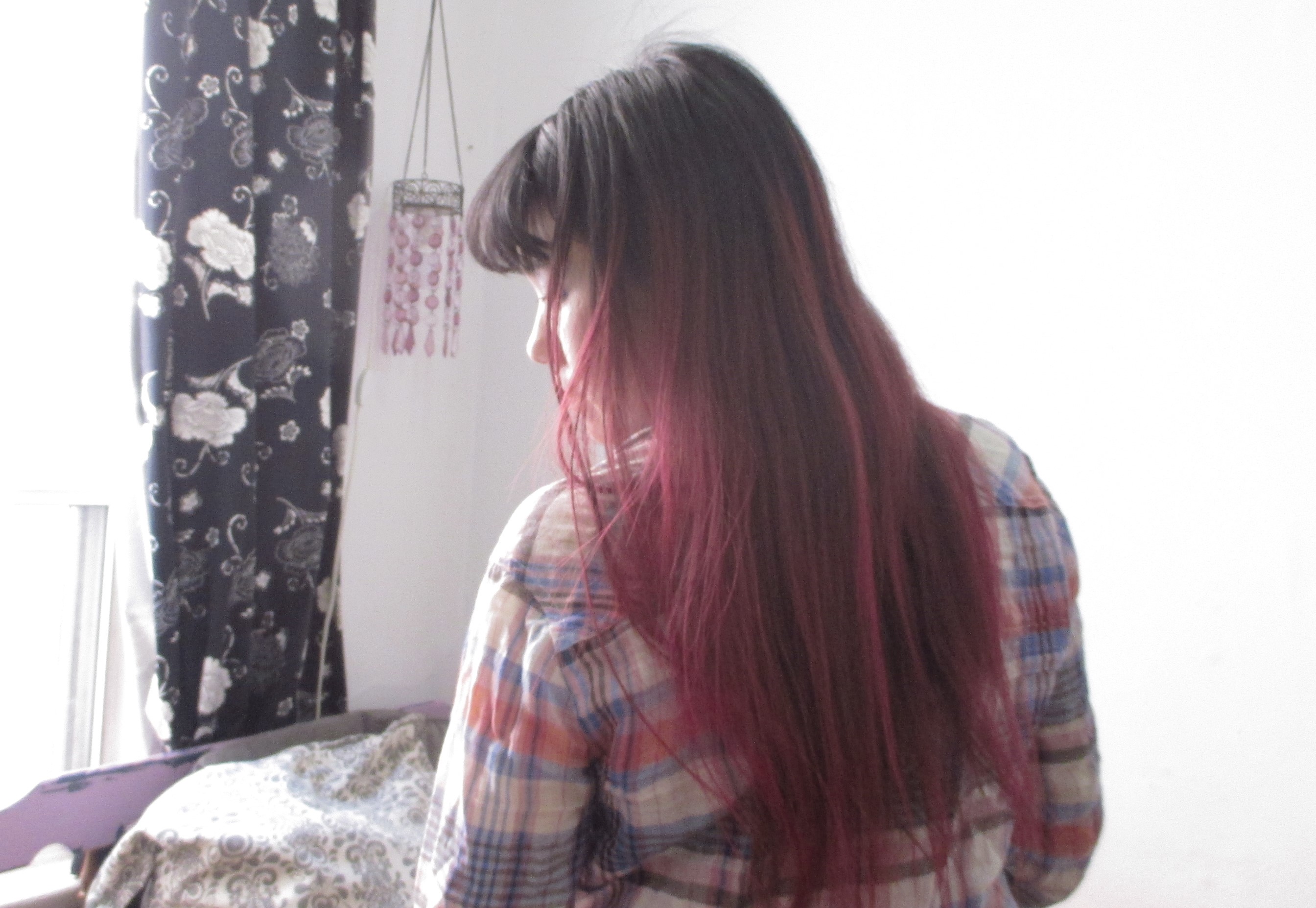
This is my hair colour when it’s not styled. But even so. a lot goes into this look including not washing it often, leave in treatments, oils…etc.

The Hurdles of Hair Colour And After-Care:

  1. Retouches: Hair grows…the last I checked, so that means after two months about an inch of regrowth is expected. While the natural hair color is okay on it’s own, the line that happens when the new growth meets existing artificial colour is usually not flattering. Here’s where maintenance is required. Refreshing the roots of the hair is a must and the most that a root smudge can do is prolong the need for refreshing.
  2. Re-toning: Even if a root retouch is not necessary, sometimes toning is. Artificial colour is not really permanent, even if it says it is. After exposure to shampoos and the sun, the hair colour will fade, leaving behind the brassiness that was previously covered up. Re-toning is often a procedure for blondes and cool toned brunettes when the colour fades.
  3. Excessive Dryness: because the cuticle of the hair needs to be lifted to be coloured, it never lies as flat as it did before dying. That means the hair strand’s ability to hold onto moisture will be compromised. Heavy conditioners with moisturizing properties must be utilize to maintain shine and mitigate frizz! Leave-ins and oils too!
  4. Weaker hair prone to breakage: Colouring hair depletes some of the proteins/keratins in the hair strand making it more prone to breakage. Keratin repair masks will be needed occasionally to help strengthen the hair and prevent breakage. This is especially true for blondes that were lifted starting from very dark bases.
  5. Change in haircare routines: Because coloured hair tends to be more fragile, it often benefits from less washing and styling. Shampooing lowers the natural pH in the hair and does cause it physical stress. We love the feeling of squeaky clean hair but seeking that too frequently comes at as cost. A new routine of less washing and more leave in conditioners and oils become the daily norm!
  6. Extra styling: Wash and go. That’s a term we all love! It means after shampooing and conditioning, little styling or products are needed. Air drying, and just a quick rough tumble under the hair dryer at most. But often after colouring, hair needs more styling to get the hair looking less frizzy; extra products and heat tools like a flat iron might be needed to make the hair look smooth!

Is this too much work and maintenance for having a different hair colour? But that is the true cost of hair colour…in the end, I guess it is to each their own. But that’s the reality of anything done for cosmetic reasons. It takes work. But doesn’t mean we shouldn’t do it! For me, hair is like a canvas for expression, but as an extension of our bodies, it is also more than that.
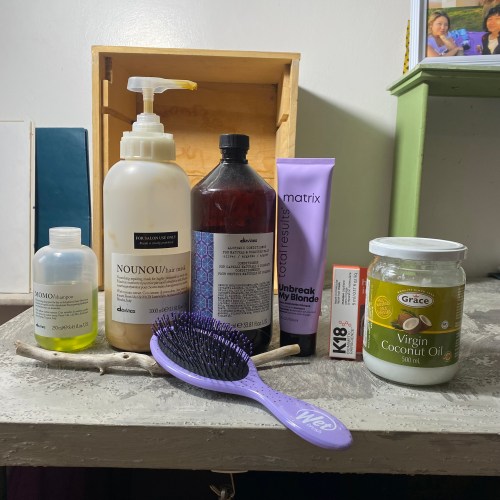
This is the heavy line up of arsenals I use for my blonde care! A gentle shampoo, moisture mask, purple toning conditioner, anti breakage leave in, K18 treatment, coconut oil, and a wet brush to name a few!!!!

Silicons in Hair Products, what do they really do?

On the left are products loaded with silicones...hey, they give the results, but are they evil?  On the right, silicone free products from Tresseme.
On the left are products loaded with silicones…hey, they give the results, but are they evil? On the right, silicone free products from Tresemme.

As you all know I craft handmade cosmetics on a regular basis to give my face and hair a rest from the chemical stuff that is out there at pharmacies today: hair spray, lotions, shampoo, conditioner–they all have preservatives, cheap synthetic additives and little to no healthful ingredients.  At home, I stock up on things like organic natural coconut oil, cocoa butter, shea butter and use it in all kinds of handmade natural products. But as much as I believe in the benefits of natural stuff, I know the limitations, cosmetically, of what natural products can do.  I also know that some synthetic ingredients such as silicons are often over vilified based on the fact that they are not naturally derived.

Silicones, the good news and the bad news…

The most common forms of silicone are dimethicone and cyclomethicone.  The actual ingredient name may vary from product to product, but you will see some form of “icone” at the end of the ingredient name if it is a silicone.  The higher it is on the list of ingredients, the more there is in the product.  Now to explain why it has a bad rep: It is a synthetic product that is derived from sand by chemical means and is very processed; its manufacturing and the washing of it into drains is bad for the environment.  When silicons are used in hair, it fills porous areas, giving only the “appearance” of healthier stronger, more hydrated hair.  But the actual effect is cosmetic.  Your hair is not really stronger, healthier or more hydrated.  It is shinier, and thicker because silicons coats each strand with a seal that is water resistant, oil resistant…and makes hair unable to breathe because of that seal. This is the good news: Hair is not alive, it doesn’t need to breathe. Hair is made up of an organic protein called keratin. A coating of silicone on the hair is not suffocating the hair, like I hear so many say, but it actually tames it and makes it shine like diamonds!  It becomes unhealthy when it builds up, and prevents natural oils from penetrating the inner hair shaft, making it dry and brittle.  Over use can turn a little beauty trick for softness and shine into a dependency for function.

Going au naturale…

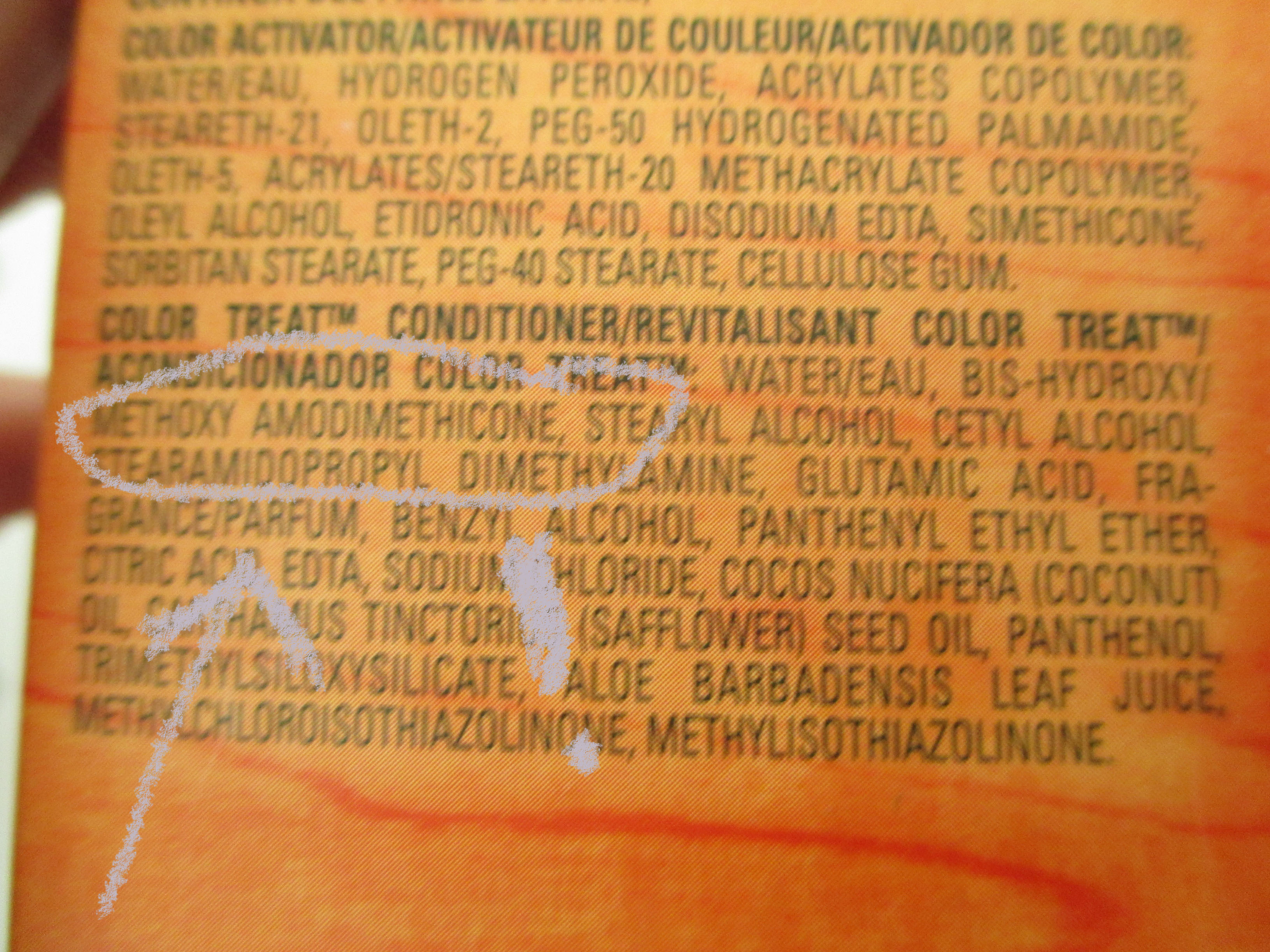
I often hydrate my hair with coconut oil in salve form on dry hair and also as an additive in my conditioner to give it more conditioning power.  Coconut oil has been known to be able to penetrate into the hair shaft and really strengthen hair, not on just a cosmetic level.  But coconut oil also makes my hair limp, greasy, dragged down, and if it builds up, it takes away shine, actually.  But my hair is actually healthy, and hydrated, even if it looks dirty and unstyled.  I have been able to grow my hair longer these years by using coconut oil and just shampooing and heat styling less.  But boy did my hair love, love, love soaking up all the silicons in this hair conditioner I tried after coloring my hair the other week.  My hair was thicker, bouncier, fluffier, shinnier, and just more smooth feeling after using the silicone heavy conditioner included in the color kit.  I saw first hand how silicones are more powerful at giving an appearance of health than using natural products, even if it is a “fake” look of health, and I couldn’t believe how soft my hair was after using the silicon loaded conditioner.

This was the ingredient list for the conditioner in the box kit.  Wow... amodimethicone is the second ingredient.  Amodimethicone is a heavy silicone, and hard to wash off...No wonder my hair shone like the sea after this...
This was the ingredient list for the conditioner in the box kit. Wow… amodimethicone is the second ingredient. Amodimethicone is a heavy silicone, and is hard to wash off…No wonder my hair shone like the sea after this…

So should we avoid or embrace silicones in hair products?

Silicones are not inherently bad, but if over used, they can cause your hair to form a dependency that is bad.  Also, their use and manufacturing causes damage to the environment, lakes and wildlife.  So perhaps the solution is to cut back and rely less on silicons to have healthy hair.  Get healthy hair it the hard and true way by not over heat styling or over chemically processing.  Condition hair with nutritious oils.  Also, avoid shampoos with silicones! Removing build up is key to hair health, so it baffles me why so many shampoos have silicones in them?!  It is like peeing in the tub, you’ll never get clean. Use hair conditioners with less amounts of silicone (lower on the ingredient listing) and/or only use silicones in finishing products as a means to cosmetically boost shine and maintain a style, as a last touch to give your hair the fake confidence it does need!

Shampoo is supposed to clean build up, right?  On my fave shampoo I found two silicone ingredients!  Not in my shampoo too!
Shampoo is supposed to clean build up, right? On my fave shampoo I found two silicone ingredients! Not in my shampoo too! I say, try to cut back. 

Vinegar hair rinses…should you give them a go?

A year or so ago, I read on a beauty blog about rinsing your hair in a vinegar water solution after shampooing.  And for some reason, I cringed at that extra step in hair care, and did not consider trying it.  After all, I was already triple conditioning on top of other shower rituals that I had, so measuring out a vinegar solution ratio seemed too much, especially since I didn’t even know what it did.  The article said to use apple cider vinegar mix it with water and pour it into hair after shampooing.  The writer said it balances the hair’s ph.  And since I didn’t know what that meant, I ignored this strange tip.

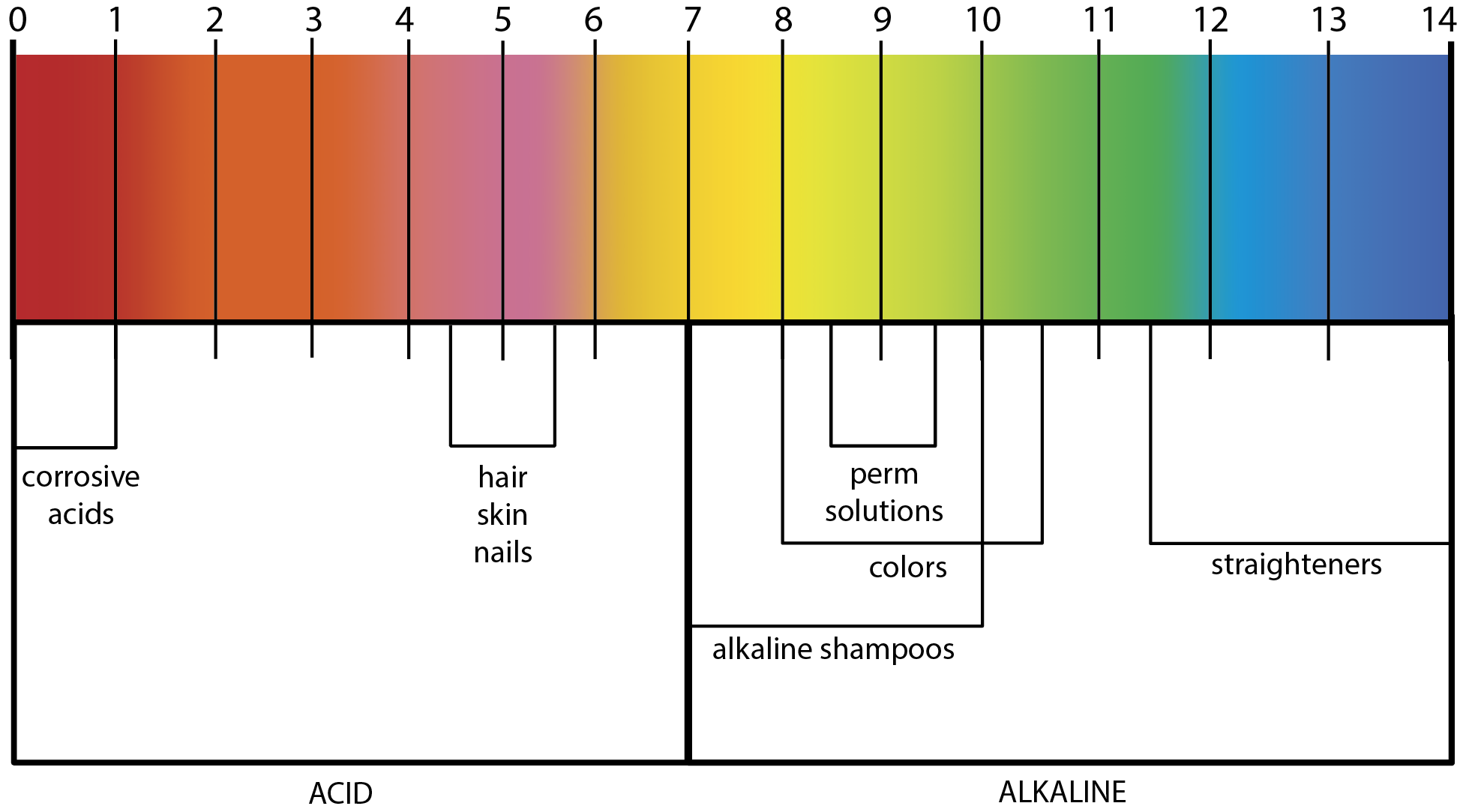
But more recently, I wanted to learn about rinsing with vinegar since I heard it can fix dull, limp hair.  I had been noticing how my hair felt stringy and dry even when it was freshly cleaned.  Adding too much products made it greasy and flat, so after more research, I was brought back to this simple home remedy.  Vinegar does balance the natural ph of hair, since hair is naturally slightly acidic.  After we shampoo, and rinse out our hair with water (neutral ph), our hair shafts remain slightly basic (because shampoo is basic), and that is on the opposite spectrum of acidic.  So your hair is not really “happy” and reacts by being limp, dull, hard to comb and needing tons of product to keep it behaving.  A vinegar rinse is supposed to cancel out what the shampoo did, bringing your hair back to its slightly acidic ph.  Yay, science!  But so what does balanced hair ph do?

I got this chart from the site: It shows how hair and skin is not actually neutral like water, and how shampoos are slightly basic on a ph scale.
I got this chart from the site menscut.com: It shows how hair and skin is not actually neutral like water, and how shampoos are slightly basic on a ph scale.

The results are supposed to be shinier hair, more soft and less dry.  A vinegar rinse is supposed to also get rid of product build up too, but I find mostly what it really does is coax your hair cuticles to lay flat and relax, so that it actually looks and feel healthier!  And less tangle-y.  I find after rinsing and drying, my hair feels thicker and stronger like almost like virgin unprocessed hair.  And I do use less leave-in products because it feels more manageable.  Translation, vinegar rinses make good hair days even better.  Infact, my own dad who never notices hairstyles, finally commented that he sees I have it dyed burgundy!  I think I owe this to vinegar rinses because they are rumored to enhance and preserve the dye in coloured hair.  So I would recommend this strange hair care trend indeed! (Don’t do it every shampoo, but every other…I hear that too much is not good? Correct me if I am wrong)

How I do a Vinegar Hair Rinse:

-2 and 1/2 cup of warm water.

-1/4 cup of vinegar (apple cider vinegar, but I actually use white vinegar)

Mix in a pitcher before your shower.  After shampooing and conditioning, seal in your hair cuticles by pouring the mixture all over your head and hair all the way to the ends.  Massage and bring the solution all the way to the tips of your hair.  Leave on for a minute, then rinse out with a blast or two of regular water.  I don’t want to rinse it all out, but I get out the excess because it does have an odor.  However, after it dries, it has no scent.  But don’t be caught in the rain because I find when my hair gets damp again, I can sometimes smell like fish and chips.  Oh well, the results are worth it!

Look at my long strands! After using the rinse and drying, they are still untangled after a night of sleeping on with no products put in! That is usually impossible with my hair.