It’s not easy putting on a full face of make-up every morning on a moving ship, and reporting for duty bright and early in the morning at the Spa (I’m a hairdresser on board ships). And as women we all know that lipstick shades and finishes come in such a huge array of choices. Every mainstream brand, whether designer or drugs store has too many options to choose from when it comes to lips. Here my my tips however, for making the colour decision fast, and always having a makeup look that works, so that mornings can be spent having that extra cup of coffee for who knows what a busy work morning will bring!
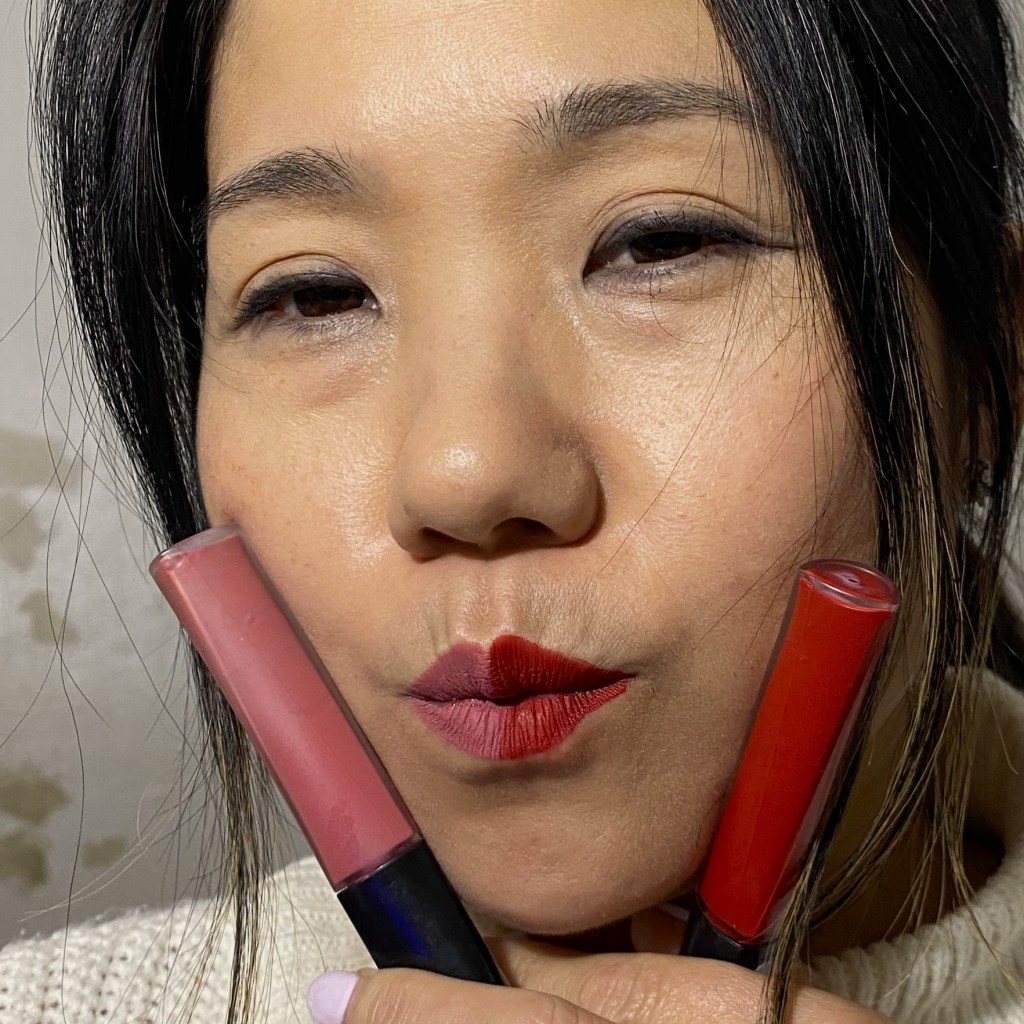
These are the two recommended colours: A natural mauve/pink and a bold, fashion red!
First tip, I recommend using long wear lipsticks only. Not only are they more economical because I’m reapplying lip colour less frequently, but also, they save time for that same reason. I can be confident that my lips looks good until lunch-time when it comes off. And then I reapply after lunch and I can repeat the feeling of confidence that it hasn’t smeared or rubbed off until the next break. All cosmetic brands now make long lasting lip products, (no budge), and it’s easy to find one in a variety of colours. There are also matte and gloss finishes to choose from. I feel for no budge lipstick, matte is better, just because it feels less like shellac on my lips. And I also feel glossy lips are distracting and less natural looking. But to each their own, of course.
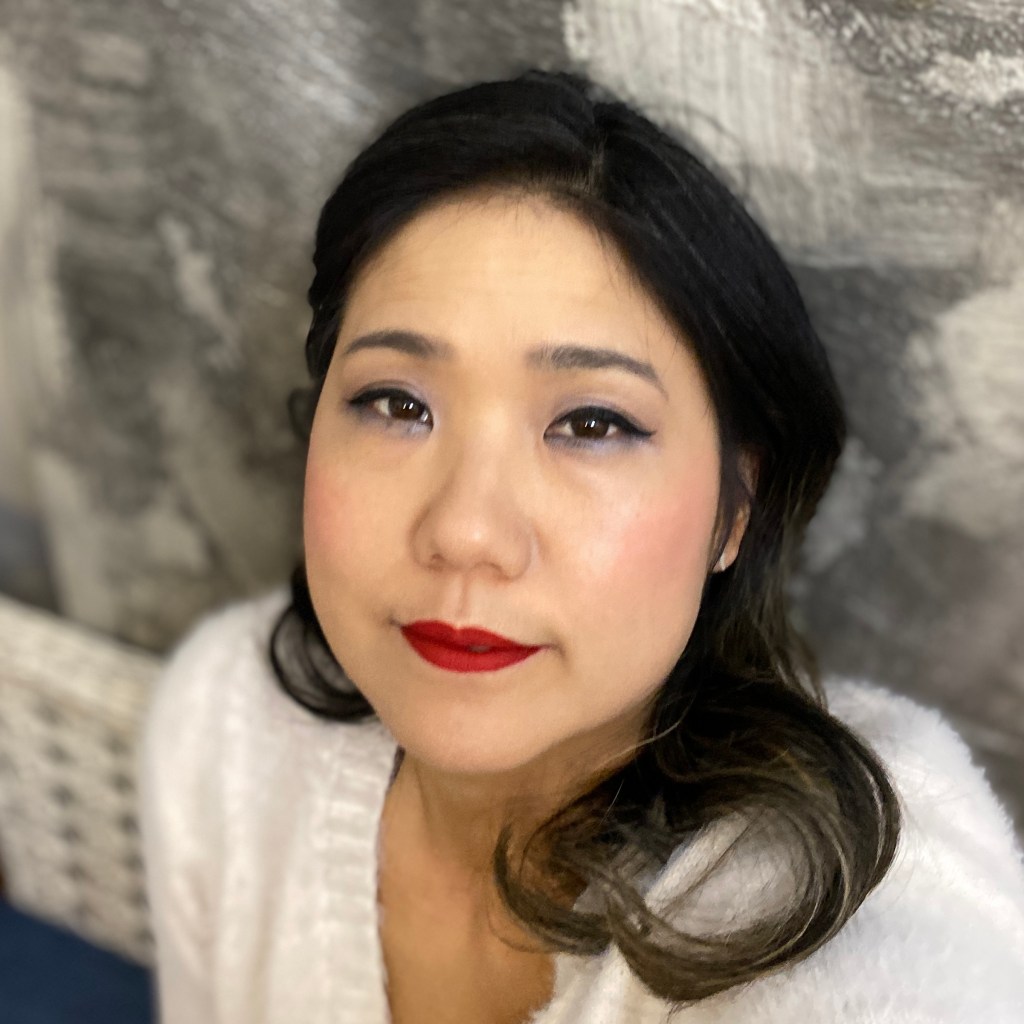
Now on to tips for choosing which lip colour to use for what look. One colour of lipstick I used often was a bold red to pair with nude/light eyeshadows and minimal make up looks. That’s right, the face needs balance, so if I were wearing a minimal makeup look on a given day, I would punch it up with a bold fashion colour! And a velvety red really brought the drama and I always had compliments when wearing it.
Nothing goes better with a statement red than minimal clean makeup!
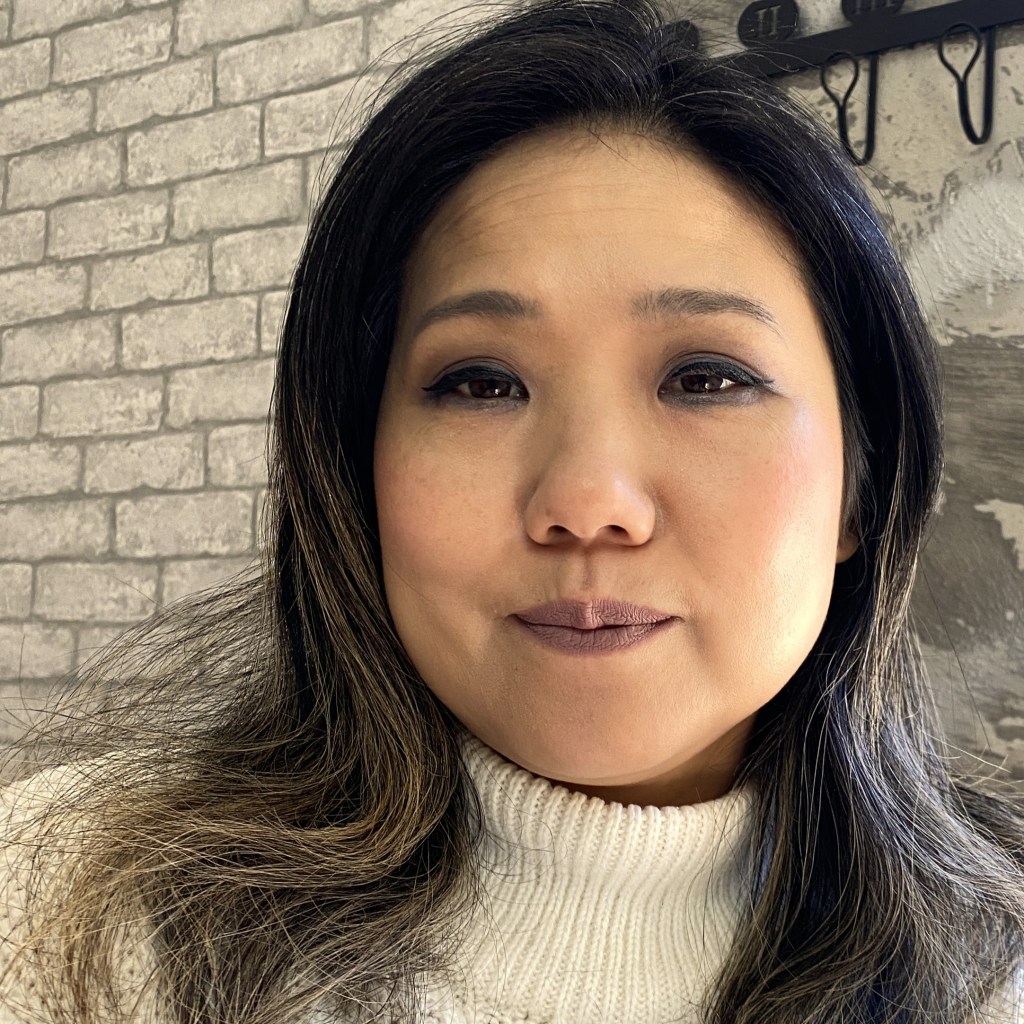
But I also received so many compliments on my smokey eye make-up! On days where I wore that look, the eyes were so dramatic that they didn’t need a loud lip colour to compete with. It would be too busy. So with smokey eyes or darker eyeshadows, I would pair the look with a muted mauve/natural pink lip. And this always kept the smokey eye makeup as the star. We always want one thing more loud on the face and the others more quiet. If we choose the lips, it’s getting the bold red, and they eyes stay natural. If we choose the eyes to be the focus, the lipstick colour has to be muted.
And with a smokey dark eye shadow, we’re going to have to have a muted lip colour. Here I was doing very cool toned nude. But a natural pink works also. Anything “quiet”.
What I love about these two lip colours is that it’s all the colours we need! And they can paired with dozens of makeup looks. It actually simplifies my makeup routine and helps me save time, while still looking put together. And that’s what I feel makes the best beauty tricks. We want to look effortless, but we also want it to be truely effortless. We can have style and taste come faster just from knowing which colour to use, and not because from over thinking from having too many options to choose from. Girls, I was rarely ever late on the ship, and also rarely ever wore the wrong shade of lip colour!
It’s been too long since I’ve posted in here. And I’m sorry. I don’t know why I haven’t checked in with y’all. Truth is I’ve been learning so much about hair and make-up since I’ve been away. Where have I been? I’ve just finished my first 8 months contract as a hairdresser on board the MSC Meraviglia, a cruise ship extraordinaire! I glamorously (and sometimes not so glamourously) sailed to Bahamas from NY all winter and then sailed the Mediterranean in the spring. My ship had a huge spa dedicated to the art of relaxation, self care and beauty….and I’m here to dish out style tips that saved me on this amazing work journey and kept it on the glamourous looking side. Because travelling and working requires practical hairstyles, that look glam. I’ll talk about the ones below because they balance functionality, with professional polish, and style. And they’re also so easy!
Embrace the frizz: I was in the middle of the ocean, and the air was salty, damp and misty. There was no way to have pristine, perfect glossy hair. Unless my hair was coated and weighted down in oil and wax. Or if I were firing up the heat tools every morning to style, which not only did I not have time for, would have fried my hair. I instead heat styled after shampooing only once a week! Then I added a light application of dry waxes and hair oils day to day to keep my ends looking less damaged. That meant I was rocking about 15% frizz on a daily basis. But that’s totally acceptable because the hair looks effortless that way and the frizz was forgivable, because it was still light and bouncy.
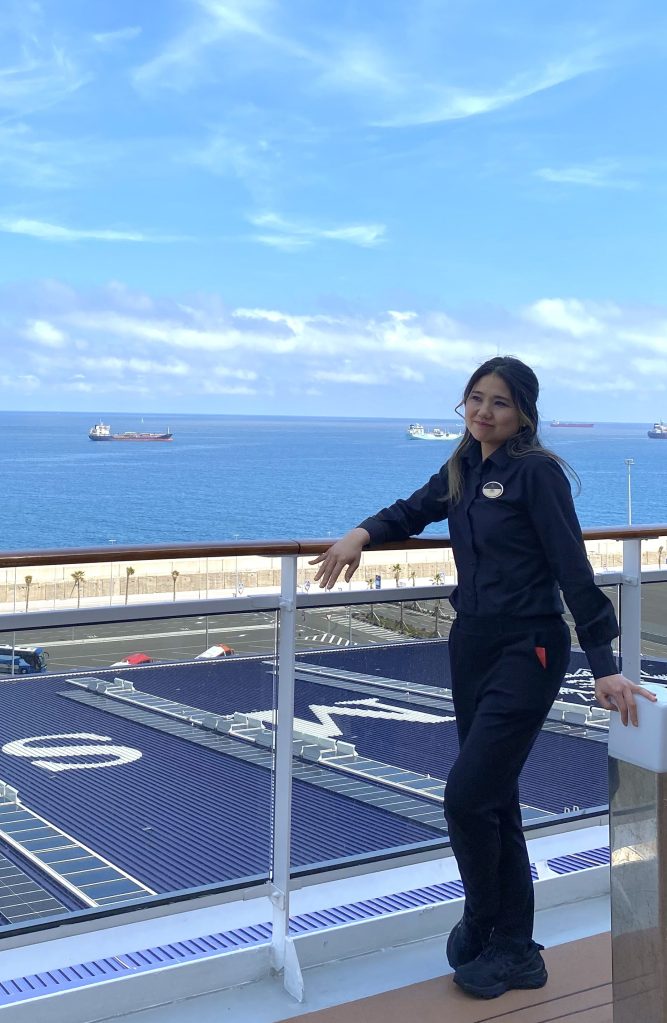
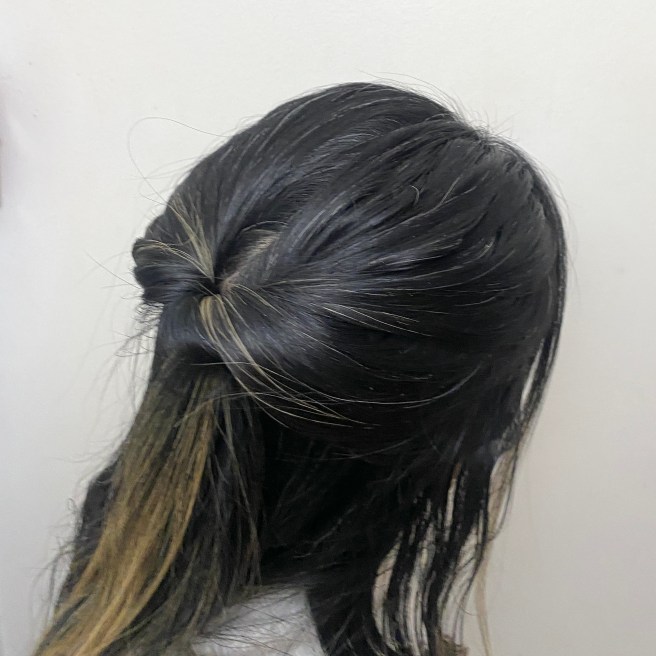
This is me in my uniform on a typical day onboard. I feel pretty and ready to work with my half updo hair!
We all use thin hair elastics to do braids or hold a pony, or half updo. But the trick to making it look polished? Don’t show the tiny elastics. That’s right. Always cover it up with a ribbon or any polished fascinator or flip it to cover with your own hair with a pony inverter. Same goes for bobby pins. Hide them as anchors under the hair.
This elastic was a simple black one. But what was the elevation? I flipped it to hide it.
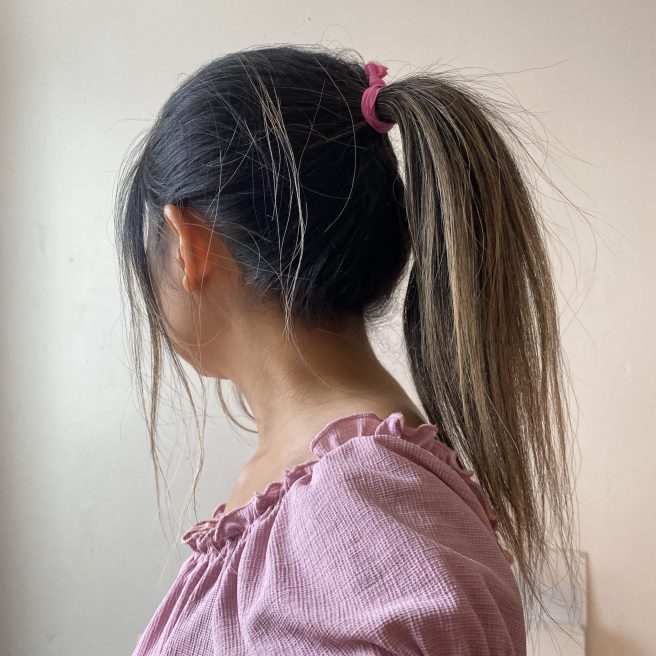
No low pony tails with a bushel of frizzy ends: For some reason, low pony tails looked very lazy and sloppy on the ship. I think it’s the fact that when hair is pulled back it loses volume and the face looks severe. Then after the elastic, the tail end of the hair style poofs, asthe sea air adds frizz and makes too much undefined volume. It doesn’t looked balanced or tidy, as one may think. The solution I always did was if I was to wear a pony tail, it had to be high pony tail and with straight, sleek hair. it just looked a lot cooler that way!
Higher pony tails with slick hair avoids the frumpiness of low ponies and frizz
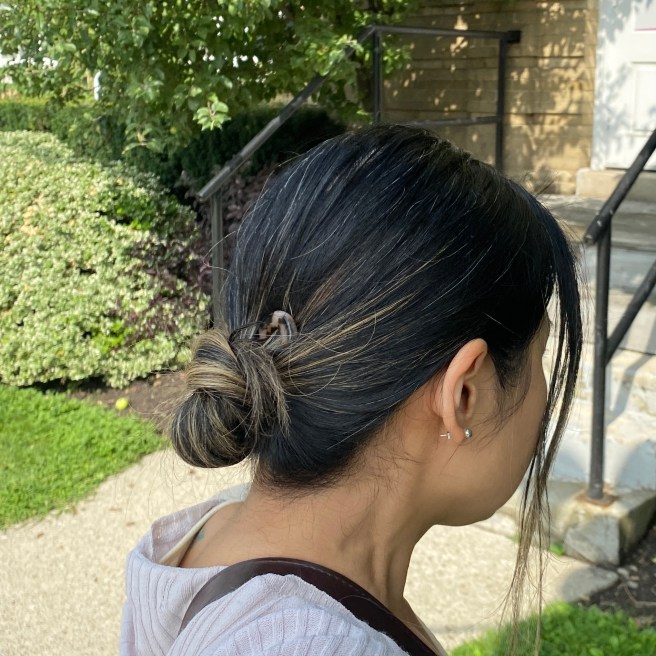
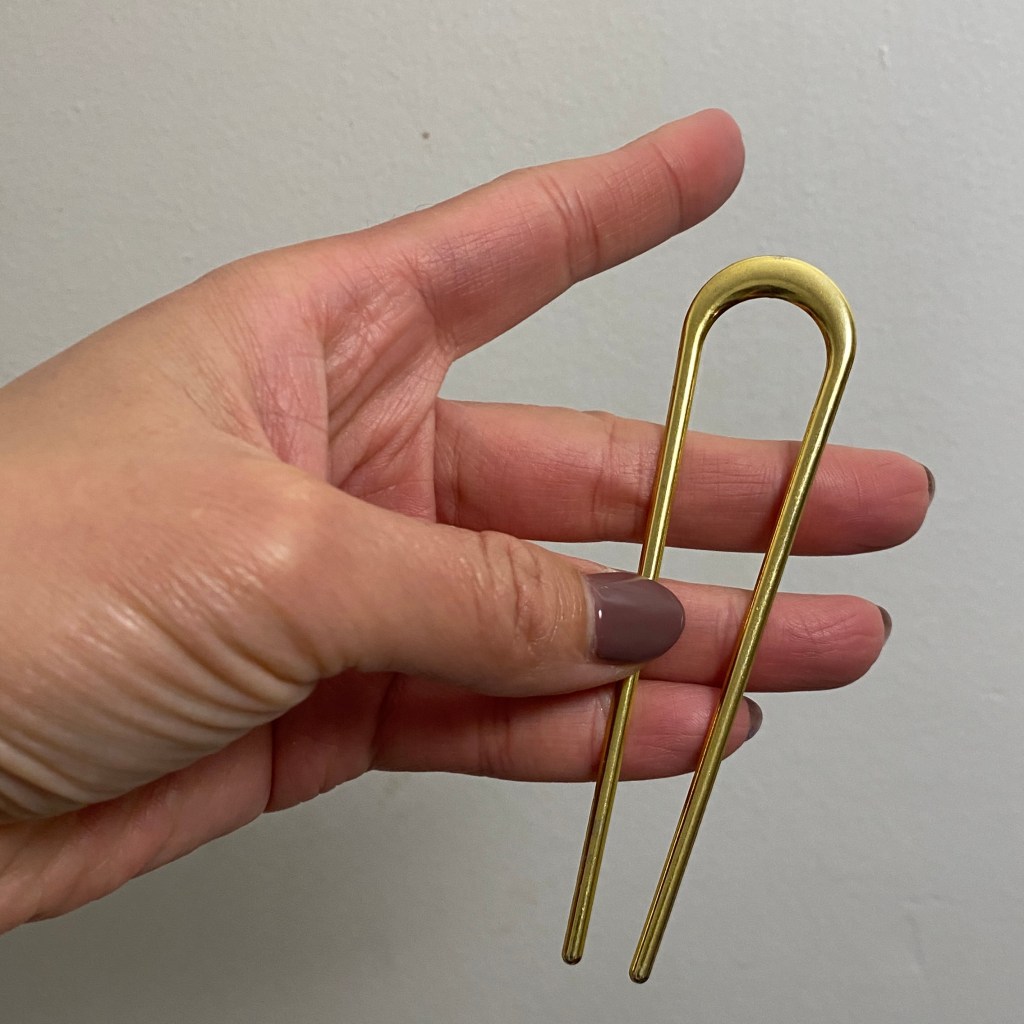
Professional looking buns are made with french pins: A french pin is an amazing hair tool. It’s not hard to use, and it looks chic and not overly formal. The way I used it was with a pony tail tied with a thin elastic, and the ends wrapped around. In the same sentiment: never use claw clips or scrunchies to hold buns. Claw clips damage hair with their teeth and scrunchies look sloppy.
A beautiful bun without any fuss or overly ornate claw clips with a french pin
A simple french pin is the way to fasten a bun and make it look chique
Check the back with a mirror in front of a mirror to avoid unknowingly wearing cowlicks: This tip was an important one for me. My hair at the back has a cowlick split that always parts vertically. It’s not pretty. And should be fixed. It’s also a game changer to always know how your hair looks to other people from the back! Ways to fix a cowlick? a bun, a braid, a partial pony, or lots of hair spray!!!
Soften up the appearance of pulled back hair in ponytails or buns by leaving out face framing pieces: Women in the workplace and seafaring have to look able bodied without hair falling everywhere, but we also want to look pretty. On a ship pulled back hair signals order and control. But nothing adds more softness and femininity than to leave out some strands at the front of the face to look less rigid and uniform.
And the most important take away from these tips are that none of the styles look overly done up. They just look thoughtfully stylish. And trust me, as a seafarer, there was never enough time in the morning between downing the cup of crew mess coffee and running to report to work. So all the styles mentioned above take less than 5 minutes. That’s the true beauty of any hair routine, in that it looks effortless because it was. More styling tips to come stay posted about the fashion vibes I rocked on the ship!
As you all know, I have been working as a hairstylist for the past 4 years, and well, it’s an interesting industry, fashion-wise. In one sense, there’s an obligation to look stylish, and look good, as clients do want to be inspired by what they see being worn on the person they trust to do their hair. But also, it’s an environment of work and professionalism. But on another hand overly formal office-y attire looks out of place in a salon. It’s too corporate. Hairstylists are artists. So this is the dilemma. How do we dress interestingly enough to showcase our personalities while being work appropriate, and elevated?
I feel like this problem is extra difficult for women. We have our truly loved relax wear: i.e.. the t-shirts, jeans, joggers… Our hoodies, leggings, shorts and sweatshirts. But let’s be honest. We end up styling ourselves to look like either 12 year old boys or suburban soccer moms in them. They are too casual, and not work appropriate. They lack personality, flare or elegance. But mostly, they lack style. Another error that can happen more to women is dressing cheap looking. Think crop tees, tops that are too tight/lowcut, ugly materials/patterns. Bodycon dresses that look like club wear. Things that are overly revealing. I’m not advocating for dressing like a prude, but even at a club, there’s a sense of class. There is a middle ground between 12 year old and night walker. I’ve found it.
We need to think more about fun and fashionable pieces, styled with jewelry and make up that compliments us, and accessories that show off our personalities while fading into the background of professionalism. We need to care about how we look, without stressing too much about perfection or being superficial. And we need to have a a little class. Without that, I can’t help you. What is classy to some might be lowbrow to others. But there are universal cues on what is daily, work appropriate class. So let’s talk about it!
Mistakes and don’t dos:
Outfits that are too skimpy: Bodycon dresses that are too short. Tight t-shirts/sweaters that are too low cut or sheer; crop top paired with spandex leggings. I’m not against showing skin, but it’s all about balance. When we show off the legs with something short, the tops should be modest. Crop tops are cute, when the bottom half is stylishly covered up with an elegant skirt. Tight body suits make sense, when paired with a relaxed fit slacks. It’s all about balance, and taste. If the weather is cold, wear a fitted turtle neck. It looks put together, but is also sensibly covered up. It’s not classy to wear less layers in cold weather. However during a heatwave at work, I wore a back-less sundress. The weather made it make sense, and not skimpy. Just think about how you look, and skimpy outfits will cease to make sense professionally.
When comfort looks slovenly: Okay so we all like comfortable clothes. Yes. But since when does that mean t-shirts, sweat shirts, and gym leggings can show up to a work environment paired with poor hygiene? Greasy hair? I don’t think so! Tying hair back is not equivalent a shampoo! It looks as if you’re fixing back hair to change the cat’s litter, or scrub the toilet. At this point, when aesthetics are so overlooked, would you trust her with styling your hair? The answer is no. At least come to work with make-up to liven up the eyes, freshen up the complexion. Casual wear is barely work presentable even with make-up, but with no make up and sloppy clothes it’s too casual.
Saying you don’t have “money” to buy on trend clothes. This is a mistake and just an excuse. Thrifting and second hand stores are a great option. And no matter how poor you are, every one owns a simple white shirt that fits, a simple dress that is not trampy, jeans that are not ripped up. Sweaters that don’t reveal everything. And dress pants that are flattering while still covering up. Dressing in a way that shows less skin, or doesn’t look like a gym outfit, is not reserved for the rich. It’s an affordable style that shows self-aware mindfulness a workplace, even if it’s not fashion forward. And once that basic skill is mastered, you can then save up to buy statement pieces that speak to who you are.
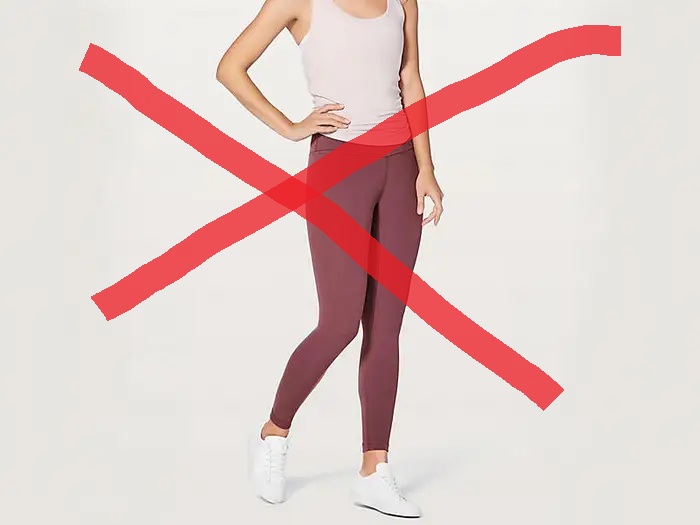
Do not dress like this. Leggings are inappropriate in any work setting. And t-shirt tanks are casually ugly.
The Do’s List:
Accessorize with intention. On the flipside, I had a style literate! T-shirts and sweats to work can be okay if styled. If they are intentionally oversized, or paired with elaborate jewelry, and other kinds of styling…this avoids the slovenly feel of this kind of style can have. Wash and style your hair with the outfits. And wear make-up. It just works.
Dress for comfort, but also appropriateness: I’m a fashionista that worked in fashion retail prior, but I also dress in clothes that make sense for my hairdressing job. I don’t wear movement restricting blazers that make it hard to use my arms, even though they are stylish and very professional. I don’t wear skimpy club wear outfits that have me adjusting my hemline or cleavage throughout the busy hairstyling workday. All of the clothes I wear fit the range of bodily motions needed, the weather in place, and the time of day I’m working. They are all thoughtful, make sense and are respectful of the job that I do, and the clients that I serve.
Professional dress doesn’t have to be boring. Find ways to showcase your personal style: For example I don’t like dark or drab coloured clothing. I don’t own that many black pieces, or solid dark clothing. I like flowers, prints, and pastels. I like white flowy things. Frilly pink outfits. Light and bright is the way that I dress. Feminine without the trampy siren look. Pretty, without the cattiness. Find out your personality and translate it into a work wardrobe. That’s how to dress professionally, and at the same time express yourself!
This is actually how I would dress to work. Notice it’s put together but still casual and cool. Functional with the white sneakers! And feminine with the flowy skirt!
I hope my tips/rant helped. I really do feel like there is a parallel to dressing well, and doing the job well. And even if you work in an environment that doesn’t penalize poor style or unprofessional dress…improve your professional styling for yourself. Afterall, you’re the most important member of the audience when critiquing how you look and act. And at the end of the day, you’ll want to look at yourself in the mirror, and be able to agree with others in the room that you do look good.