Some basic, but important Tips for Make-up Beginners

First: A Throwback of my Past Make-up How-to’s:

I write a lot of articles about different make-up looks, whether it be a natural or vampy look, or valentines’ day flirty eyes; I have fun expressing unique make-up applications. Here a few of my escapades with make-up and color:
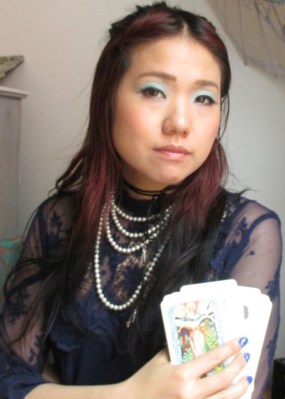
This is from my article on how to do be-witching eye make-up! check it out here.
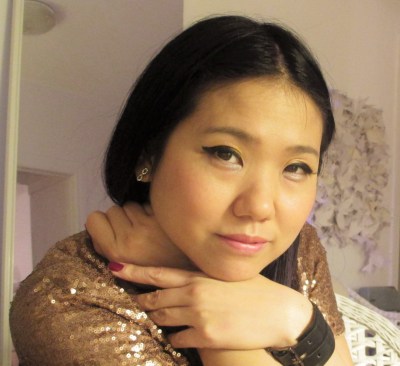
Very dark lined cat eyes for a fashion forward winter holiday look. Article here:
An 80’s electric eyeshadow look for a bold statement. Article here

What works for New Make-up Wearers?

My make-up looks are certainly fun if you want to change up your daily routine, but what about people who want to start wearing make-up and are intimidated by all the complicated/trendy tutorial out there? I think the best make-up looks enhance your facial features simply, and doesn’t change or hide them. Like making your eyes look brighter with a shiny shadow, or making your skin creamier with a bb cream… In essence, make-up is basically playing up what you have naturally, and it shouldn’t feel odd or awkward. It’s a fun form of self expression, and one of my favorite ways to show off. Here are some basic suggestions I want to give beginners who are starting to wear make-up.

Tip # 1: No substitute for Good skin

Before putting on make-up, one needs to take care of the skin. Cleanse, exfoliate, moisturize, and use an antioxidant nightly on your skin. When you have healthy skin, make-up can actually do it’s job properly. Check out my line of natural skincare to learn more.

Tip # 2: Use an SPF or SPF loaded foundation

The sun is not your friend.  UV rays and ultra violet light from the sun IS what causes premature aging and wrinkling, so wear a sun screen under the make-up. If that is too heavy of a base, find a foundation with higher than 15 SPF to help protect your skin from harmful rays at the same time as giving you coverage.

Step 3: Level of coverage in Foundation:

Be honest about the level of coverage you want.  There are three levels of coverage: Light coverage is a tinted moisturizer, with no powder, medium is a light foundation/bb set with a bit of powder, and full coverage is a heavy foundation and concealer set with powder. I tend to like a medium coverage for day to day, since that often means I can skip concealer for minor uneven tones. But if you want the flawless skin look, you will have to go for full coverage. All options are fine, but choose the one that you want, not the one that you think you should want. Just because you have been make-up shy all your life doesn’t mean you can’t have the flawless full coverage look. Be willing to experiment to find what works for you!

Step 4: Definition of the face:

Using a foundation will mute all your other features. Your eyes will look smaller after foundation application, your mouth will be colorless, your eyebrows non existent. Your cheeks without color. So this is the time to add back definition.The more products you use, the more defined your features become. My minimum staples for definition are eyebrow color, eye lid color, mascara and blush. If you want extra definition, you can add an eyeliner, liquid or pencil, contouring/bronzer, lipstick, false lashes…etc. But again be honest with the level of definition you want!

The Bottom Line:

I feel that when starting to wear make-up for beautifying effects, it’s really important to be honest with yourself and how much coverage/definition you want to present to the world. Take the time to figure out what level of “made-up you really want”. And just like when wearing fashion, you want to have fun while expressing yourself with your make-up looks! Having a positive attitude and a willingness to try new things will get you farther in anything, any day!

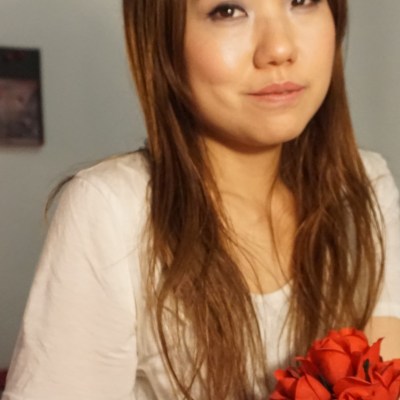
My day to day make-up look. Very minimal: Medium coverage foundation with a light powder, eyebrow definition, thin lined top lid and neutral eye shadows…no lipstick, but a bit of blush! My go to natural look…

Does your hair need Hydrolyzed Protein…?

I’ve always struggled with hydrating my dry hair, because it always seems to be dry and stringy…and although it is long, it is often feeling weighed down by more than it’s own weight. I have always used my coconut oil hair salve daily and it has helped hydrate my hair to shine, de-tangling and smooth, but over use of a good thing can be bad too. Over moisturized hair from oils can leave hair feeling greasy, thin and rough. Hair color doesn’t shine as much, even if it is a fresh dye job when too much of an oil/silicone coating has taken over. But is there another way to add softness and hair vitality? I recently discovered that an ingredient called hydrolyzed protein (wheat, oat, silk, keratin) can do wonders for dull rough hair in ways that oil hydration alone can’t. Hydrolyzed protein fills in some of the gaps and roughness in your hair with an organic material that will feel kinda like new hair…when paired with a hydrating routine of conditioners/oils it’s a complete package of shine and softness.

Notice how stringy my ends are and how they seem to thin out near the bottom? They are moisturized, but not soft for some reason…it’s missing protein…
This is when I was lightening and coloring my hair a lot, and the chemical dyes saturated the shaft, but since it was missing protein, it’s not shiny, but rough in texture…

How did I find this out? While traveling during March Break and visiting Halifax in Nova Scotia, Canada, I stayed at a hotel there with spa quality toiletries. I tried their shampoo and instantly I felt a difference in my hair vitality; my hair was less wiry when damp, and the next day the strands felt plumper, reminding me of how it had been in my younger days. I knew it was not my conditioner that provoked the change since I had packed that from Toronto. It was the hotel’s shampoo. I then scoured the ingredient list on the hotel shampoo and found out the main ingredient that I didn’t have in my shampoo at home was hydrolyzed wheat protein. An ingredient that would prove to make the difference.

Havin’ a “good hair day” in this vacation photo from Halifax at the Nautical Museum. After using the hotel’s shampoo the night before, it felt softer, silkier than before. Can you see this in the photo?

Back in Toronto now and using a shampoo with a hydrolyzed wheat protein. And am really liking it. But I only have protein in my shampoo, since I hear that using too much protein can cause hair to be brittle! Everything in moderation it seems!  My main tip for true hair health though is to rely less on hair care products and just treat your hair well. Do you really need to have the unicorn hair color that requires bleaching it to white, or do you need your hair to be heat styled all the time? There is no ingredient, chemical or natural that can reverse hair damage. New fangled and expensive heal-all chemicals such as Olaplex have drawbacks too, as the beauty industry has discovered (although I won’t go into detail about it this time around). Bottom line: no product or oil can substitute minimizing hair damage in the first place, so treat your hair and body well.

My current Hair Color: “Bronde” and how to get it…

(**Disclaimer! I’m not a hair professional, but have just done my research and worked with my own hair to get results I’m happy with. But whenever dying your own hair at home, please follow manufacturer’s directions and consult with a professional when possible or in doubt)

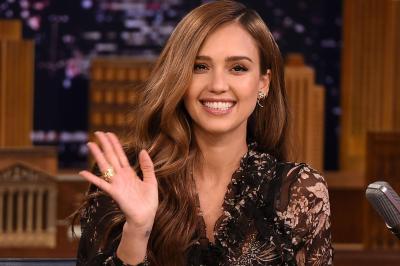
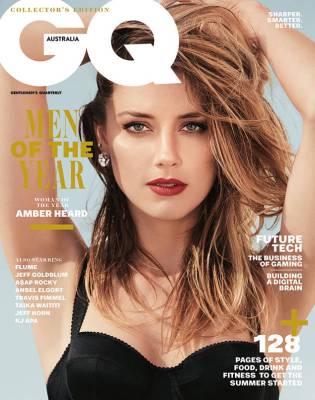
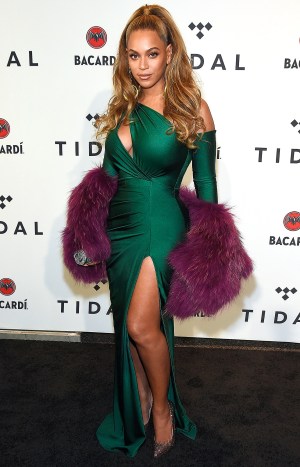
As you all know…I’ve been lightening and coloring my hair since late last year, in an attempt to get a lighter color that is neither brassy, or too harsh/dark for my complexion. Check out my articles on hair coloring and soap capping. And recently I’ve been rocking a hair color that I found out was called “bronde”; too light to be a solid brunette, and too dark to be a blonde. Kind of a caramel color in between two opposites. A nice neither region that I would like to reside in for the next little while. Why? It’s not as high maintenance as a light blonde, and it’s not as brassy as that rust color dark hairs get when they lift too little color. It’s just peachy. Check out this Vogue article about this hair color to get some inspiration. But for how, here are some famous “brondes”:

Jessica Alba: at the tonight show with just the perfect balance of light and dark caramels and soft, bouncy waves.
Amber Heard on GQ? As a darker blonde than she normally is, I think she’s got a lot more mystery and allure…
Beyonce is Bey-youtiful with a hair colour that compliments and warms her complexion. 

Okay, so you get the idea…how the color should look, but now how to achieve this neutral tone, middle level “bronde”color…Go to an expert hair stylist who does great hair color, or try it at home with these tips!**

For Brunettes want to go Bronde:

Step 1: Lighten enough: Believe it or not, us brunettes (black or brown hair) have to lift a level or two above middle lightness to achieve ‘bronde”. It’s not fair, but it’s just the way it is. For those doing this at home, you need to get to a level 7 lightness, at least. Check out swatches on how light a 7 level is.

Step 2. Tone/Glaze: This is so important as it adds the finishing shine and touches to a lighter hair color. Lightening dark hair always brings out warmth. And warmth is the enemy when trying to achieve a gentle tone in hair. Use a demi permanent hair dye with a low peroxide developer to add ash (blue/green) pigment to your strands. Use a lighter level than your hair is. So as a level 7, get a level 8/9 ash tone color. Toning with an dedicated hair “toner” only works for hair that has been lifted past a level 8.

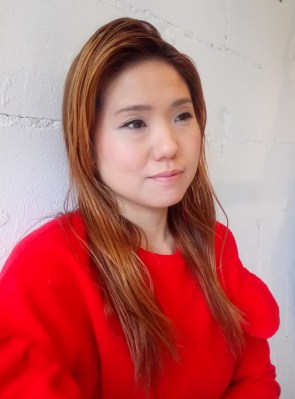
A bit on the warm side, but I will be toning/glazing with a demi in the next week or so.

For blondes wanting to go darker to Bronde:

I’m not the most experienced in this matter, since I am a brunette, but here’s what I do know:

  • Use a demi-permanent hair color, since you are depositing only and not lifting levels. It’s gentler and from what I hear, shinier!
  • Stay away from ash tones. Ash upsets the darkening process by getting too dark/green too fast and then you’re stuck with it.
  • Always use a demi color one or two levels lighter than you want to achieve. So if I were a light blonde, I would do a 7 or 8 with warm/golden tones to get to caramel. Depending on the intensity of bronde you want, diluting the hair color formula with a clear gloss demi would be smart for avoiding over saturation and it looking flat and fake whenever dying darker.

Hope these tips help for all that want this hair color. I find it suits all skin tones and ages and just looks really healthy. Try it today.

**DISCLAIMER: all advice I give is based on my own personal experience with hair color. I’m not a professional hair stylist, so use my advice with a bit of caution and never hesitate to consult to a professional! Thanks!